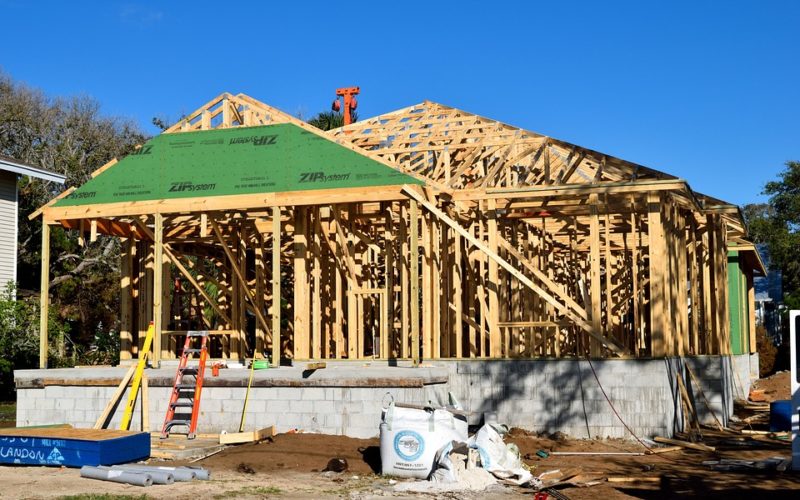
Urban development is an essential part of modern society, driving progress and modernising neighbourhoods. Whenever a new project breaks ground, it brings a complex mix of effects. The impact of construction on local communities encompasses both significant challenges and remarkable opportunities. While new developments promise better facilities and economic growth, the transition period can be highly disruptive for residents who must navigate active building sites. Understanding these competing factors is crucial for urban planners and developers who want to foster positive relationships with the people affected.
Understanding the disruption to daily life
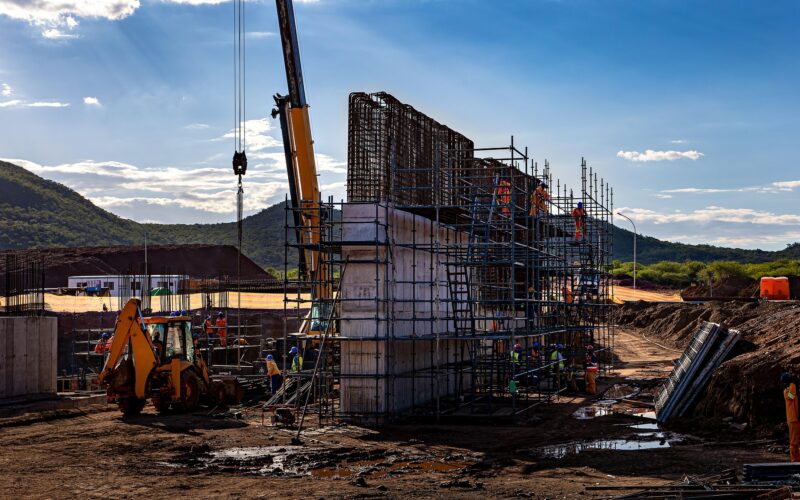
The most immediate consequence of any building project is physical disruption. Heavy machinery and continuous structural work generate high levels of noise pollution, affecting the mental wellbeing and routines of nearby residents. Dust and debris also pose environmental challenges, reducing air quality and requiring constant cleaning from homeowners. These stressors often lead to frustration, especially when projects suffer from delays or extend their operating hours. Strict adherence to site management plans is therefore necessary to mitigate these adverse environmental impacts.
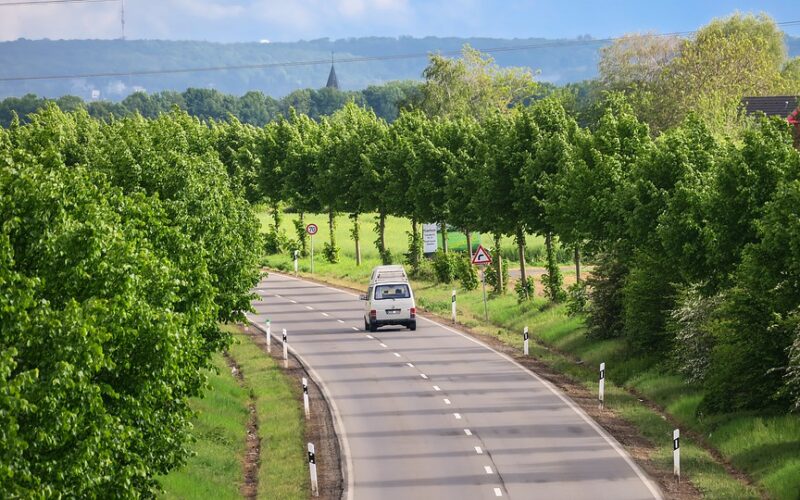
Alongside noise and dust, traffic congestion is another major hurdle for communities near active developments. The constant arrival of delivery lorries and contractor vehicles places immense strain on local road networks. This influx of traffic causes delays for daily commuters and can compromise pedestrian safety around residential zones. Road closures and temporary diversions further isolate certain areas, making it difficult for residents to access essential services. Effective traffic management systems are vital to keep neighbourhoods functioning smoothly during the development phase.
Unlocking economic and social benefits
Despite the undeniable frustrations, construction projects often serve as a catalyst for local economic revitalisation. A large workforce creates an immediate spike in demand for nearby businesses, such as cafes and retail shops. Furthermore, large-scale developments frequently generate employment opportunities for residents, ranging from on-site labour to administrative roles. Many developers commit to apprenticeships, equipping young people with valuable skills. This injection of capital can breathe new life into struggling areas, providing a financial boost that sustains the community long after builders depart.
Beyond the immediate financial benefits, construction usually brings substantial long-term improvements to the area's infrastructure. Whether the project delivers affordable housing, medical facilities, or upgraded public transport links, these additions fundamentally enhance the quality of life. Upgraded utility networks and improved public spaces also increase local property values, benefiting homeowners. By replacing dilapidated structures with purpose-built facilities, developers help to future-proof neighbourhoods against demographic changes, ultimately leaving a lasting legacy that outweighs the temporary inconveniences of the building phase.
Navigating the path to sustainable development
To ensure that the benefits of a project outweigh its drawbacks, transparent communication between developers and residents must be a priority. Regular community consultations allow residents to voice concerns, enabling developers to adjust strategies and minimise disruption. Implementing grievance mechanisms and publishing progress reports helps to build trust and demonstrates corporate social responsibility. When communities feel heard and respected, they are far more likely to tolerate the temporary hardships associated with building work, viewing the project as a collaborative effort.
Ultimately, the relationship between construction and local communities is a delicate balancing act requiring careful management. While noise, traffic, and environmental disruptions present genuine difficulties, the potential for economic growth and improved infrastructure cannot be overlooked. By prioritising sustainable practices and community engagement, the construction industry can transform challenging transitions into successful partnerships. When managed responsibly, new developments do not just alter the physical landscape; they strengthen the social and economic fabric of the neighbourhoods they serve, paving the way for a prosperous future.