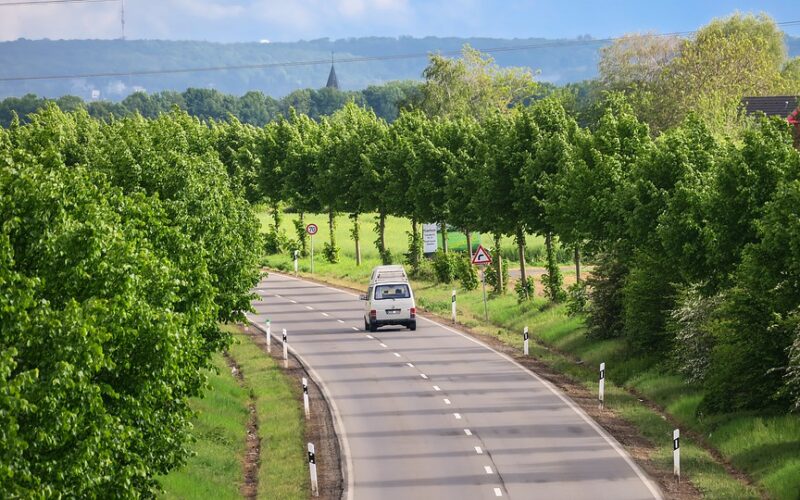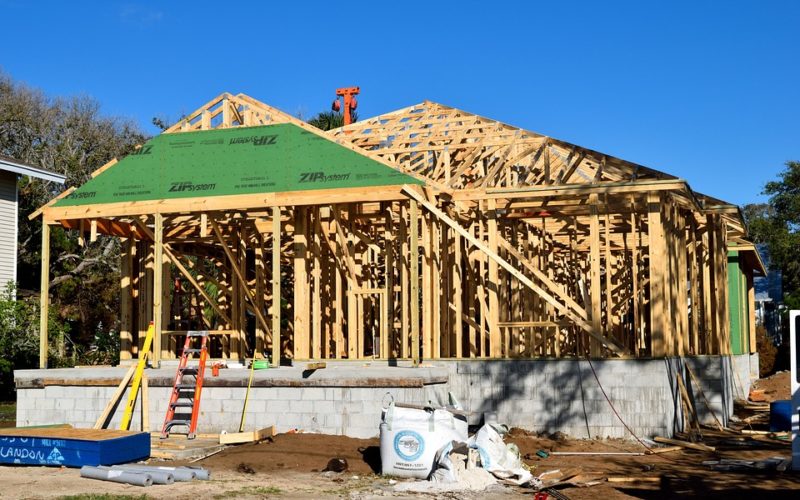
As populations grow, so does the strain on existing infrastructure. Roads that were built decades ago to serve smaller communities are now struggling to accommodate the volume of vehicles using them daily. Without intervention, congestion, increased travel times, and higher accident rates become inevitable consequences of this mismatch between capacity and demand.
The scale of the problem
Population growth is accelerating in many parts of the world, particularly in urban centres. Cities that once spread across manageable areas are now expanding into surrounding suburbs and rural zones, creating sprawling metropolitan regions that rely heavily on road networks to function. When those networks cannot keep pace, the economic and social costs are significant. Businesses face delays in logistics, workers spend more hours commuting, and emergency services struggle to navigate congested routes.
Road expansion as a practical solution
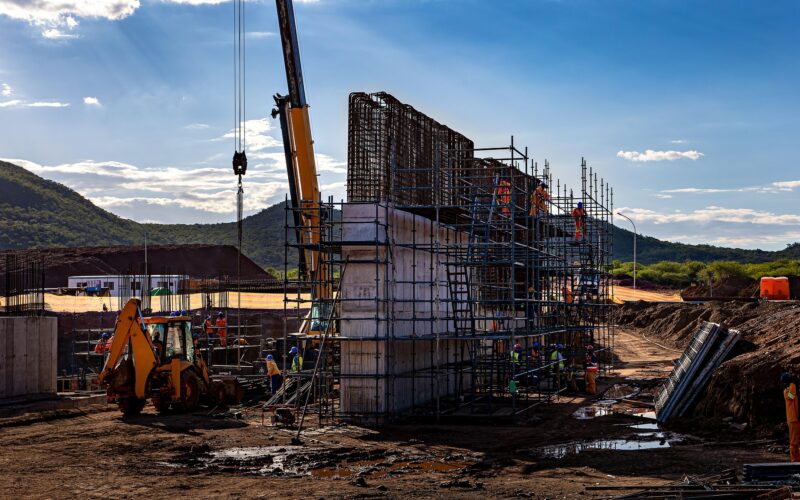
Extending and widening roads is one of the most direct responses to population-driven congestion. By increasing the number of lanes on busy arterial routes, governments can distribute traffic more evenly and reduce bottlenecks. Building new roads to connect growing residential areas with employment and commercial hubs also reduces the burden on existing routes, improving flow across the entire network.
Planning for the future, not just the present
Effective road expansion requires long-term thinking. Infrastructure built solely to address today's congestion may be insufficient within a decade if population projections are not factored into the design. Engineers and urban planners increasingly rely on demographic forecasting to determine not just where roads need to be extended now, but where demand is likely to emerge in the coming years. This forward-looking approach helps to ensure that public investment delivers lasting value.
Balancing road development with sustainability
Road expansion does not come without trade-offs. Land acquisition, environmental impact, and construction costs are all considerable challenges. In densely populated areas, finding space to widen existing roads can mean demolishing buildings or removing green spaces, both of which carry social and political implications. Sustainable planning approaches seek to balance the need for greater road capacity with environmental considerations, incorporating green corridors, noise barriers, and drainage systems designed to minimise ecological disruption.
The role of technology in smarter road networks
Modern road expansion goes beyond simply adding tarmac. Smart traffic management systems, integrated into newly built or extended roads, can adapt in real time to changing traffic conditions. Variable speed limits, dynamic lane management, and intelligent signalling all contribute to maximising the efficiency of road networks without necessarily requiring further physical expansion. These technologies complement infrastructure investment by ensuring that new capacity is used as effectively as possible.
A shared responsibility
Addressing the road infrastructure gap created by population growth is not solely the responsibility of central governments. Local authorities, private developers, and transport agencies all have a role to play in funding, planning, and delivering the road extensions that growing communities need. Collaborative approaches, where the costs and benefits of expansion are shared across multiple stakeholders, tend to produce outcomes that are both financially viable and broadly supported by the communities they serve. Meeting the demands of a growing population on the road network is a complex challenge, but with coordinated planning and sustained investment, it is one that can be managed effectively.